How to Reduce your Deathprint...
Your life is powered by cutting short the lives of others. This page is a shortlist of the highest-leverage ways to shrink that death toll (other than suicide). The list is non-exhaustive and ordered from low to high effort, so you can begin with the easiest wins and escalate.
Each change has an Impact Score (1–10); a rough measure of how much killing it prevents versus the default way most people choose to exist. 10 = a big chunk of your deathprint gone. 1 = barely moves the needle.
TL;DR: Go vegetarian and switch from cow’s milk to oat milk, and you immediately put yourself in the top ~5% of people with the smallest deathprint on Earth.
LOW EFFORT
Switch to oat milk. The average Western omnivore drinks ~70 L of cow’s milk a year. Producing that uses ~630 m² of land each year (pasture + feed crops) is kept as farmland, versus ~53 m² for oat milk, freeing ~573 m²/year. For context, how many m² is your home? Using ~630 m² to sustain your udder-juice drinking habit is ridiculous. Over an 80-year life, freeing ~573 m²/year corresponds (very conservatively) to ~4 fewer small-mammal deaths, ~1 fewer bird deaths, ~1,450,000 fewer insect and invertebrate deaths from ploughing / tillage and pesticides.
Impact Score: 9 (this is such an easy and impactful win)
Avoid Bug Zappers. Bug zappers indiscriminately kill a massive number of insects. On average, a single electric bug zapper can obliterate 1,000 insects in one night (most of which are harmless non-biting species). By simply turning off or removing bug zappers, you can save perhaps tens of thousands of insects per year that would otherwise be electrocuted (moths, beetles, fireflies, etc.)
Impact Score: 5 (stop indiscriminate killing for convenience)
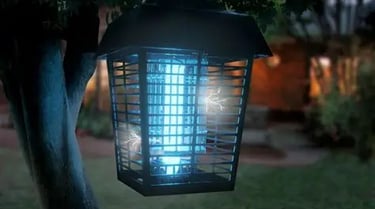
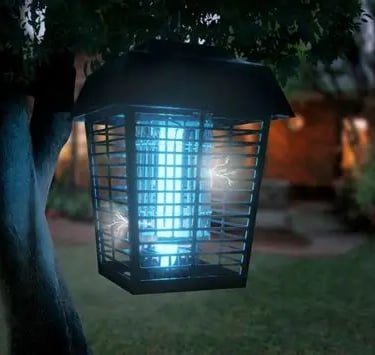
Turn Off Outdoor Lights to Protect Insects. Night-time lights are silent killers. Porch and garden lighting attracts and disorients insects, many of which die from exhaustion or overheating. Reviews commonly cite ~30–40% mortality among insects drawn into the “light halo.” Turning off unnecessary lights (or using motion sensors / shielded warm lights) can realistically spare thousands of insects per year around a typical home — and that ripple feeds bats, birds, and frogs. It’s as easy as flipping a switch, yet the ecological payoff is immense.
Impact Score: 4 (flip a switch, save thousands)
Don’t Poison Ant Colonies. Instead of using ant-killer sprays or baits that wipe out entire colonies, try deterrents (like sealing entry points, using cinnamon/peppermint, or simple soapy water for visible trails). An average ant colony typically contain ~6,000 ants, so exterminating one nest kills thousands of individuals. Tolerating non-harmful ant nests (especially outdoors) or gently relocating them saves those lives. Ants are important ecosystem cleaners.
Impact Score: 4 (thousands die to alleviate your mild annoyance)
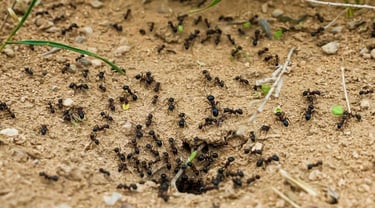
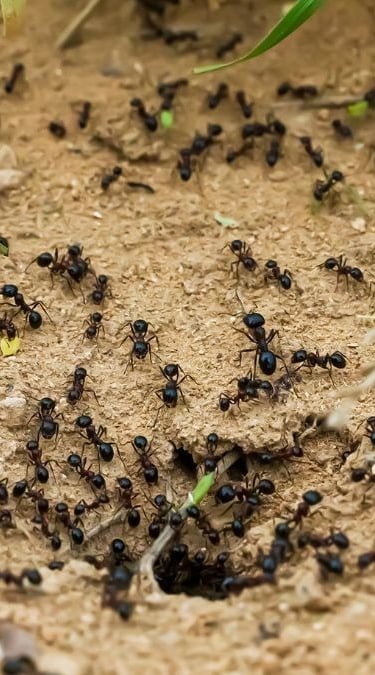
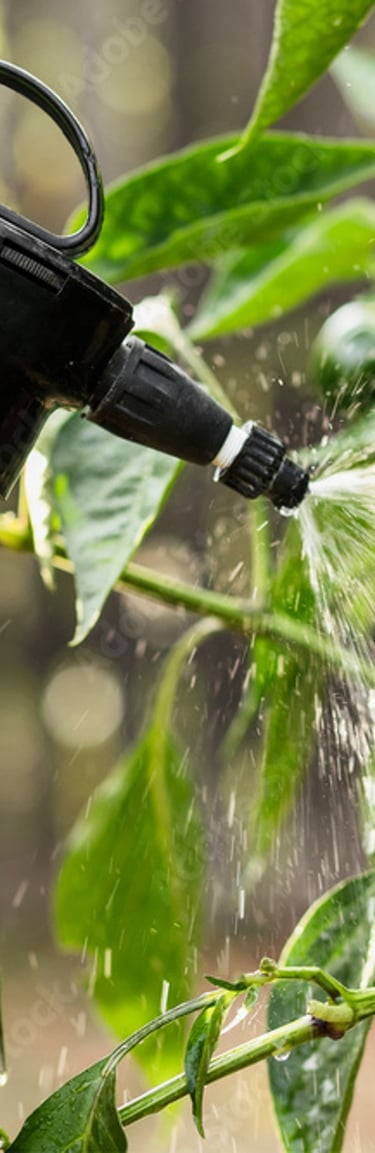
Skip Broad-Spectrum Insecticide Spray. Broad insecticides don’t “kill pests.” They kill whatever is alive. A single blanket spray can wipe out thousands of insects in hours — including pollinators and the predators you actually want (ladybirds, lacewings, hoverflies). Annually, you’re easily into tens of thousands of unintended deaths per year, plus knock-on harm to birds, bats, and amphibians that eat poisoned insects. Use targeted controls (bait stations, physical barriers, spot treatment) or let predators do the work. Don’t carpet-bomb your garden.
Impact Score: 6 (you’re poisoning far more than pests)

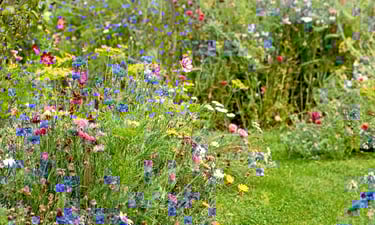
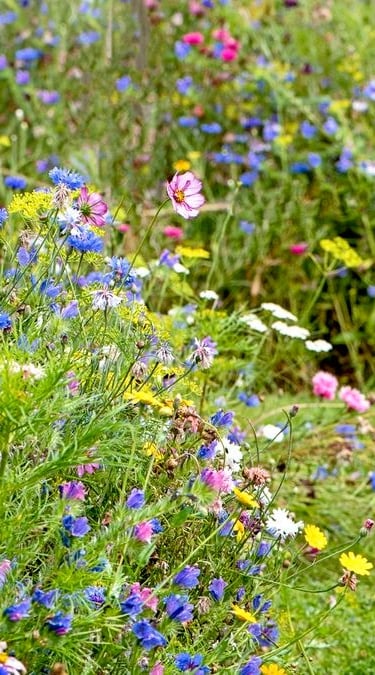
Let Part of Your Lawn Go Wild. A neat, short-cut lawn is a green dead zone. A wildflower patch is a life factory. For each 1 m² of mown lawn converted into a miniature overgrown wildflower meadow, ~2,500 additional invertebrate lives per year are supported (bees, beetles, moths, flies, spiders) plus everything that feeds on them. Let grass grow long. Sprinkle in a handful of wildflower seeds. Mow less. It’s cheaper than “tidy,” less work than weekly cutting, wonderful to see, and it gives living things somewhere to exist in a world we’ve paved.
Impact Score: 5 (perfection kills)
Choose Second-Hand Clothes to Spare Land & Lives. Wearing second-hand clothing cuts your land, water, and deathprint impact. It prevents demand for new cotton, wool, leather, and animal-derived materials; each with major environmental and ethical costs. Buying used jeans or jackets instead of new ones can save 10–30 m² of farmland or pasture per few items, and spares 1–2 animals from harm (e.g., sheep, geese, or cows). You’ll also avoid the emissions, dyes, and plastics used in fast fashion. Second-hand options are easy to find, often cheaper, and last just as long. It’s one of the simplest ways to reduce your clothing footprint without compromising style.
Impact Score: 4 (fashion shouldn’t cost lives)


Lead by Example and Inspire Real Change. Your actions save lives—but your influence can compound this well beyond whatever you could achieve alone. If you persuade just two people to stop eating chicken, that’s ~44 birds spared every year. Convince someone to ditch eggs, and you’ve saved male chicks from a macerator. Help a friend give up shrimp, and you’ve spared thousands of sea creatures annually from slow suffocation and mutilation. These aren’t abstract numbers—they’re lives that don’t end in suffering because of you. Even casual conversations, social posts, or wearing our merch (which plants trees and sparks questions) can ignite change. It’s the lowest-effort, highest-impact move: spread what you’ve learned. The lives your words save may never know you existed, but they’ll exist because you spoke.
Impact Score: 8 (influence multiplies impact)


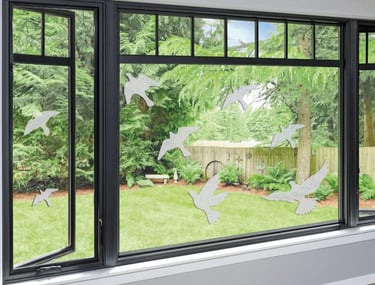
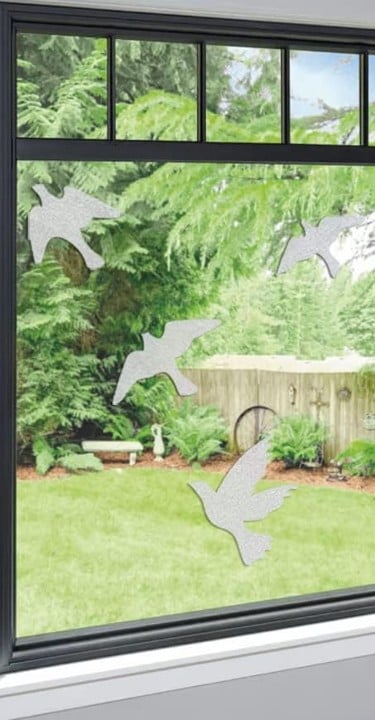
Install Bird-Friendly Window Decals. Windows kill. An average home causes 1–3 bird deaths per year due to collisions with reflective glass, particularly during migration seasons. Installing bird-friendly decals, screens, or UV film can reduce strikes by over 80%. These inexpensive, stick-on patterns break up reflections that birds mistake for open sky. This small home upgrade could save 10–30 birds over a decade, especially species like warblers, thrushes, or hummingbirds. That’s one of the highest returns per minute of effort you’ll ever get. Protecting birds starts with a sticker—and spreads from your windows to the skies they safely continue flying through.
Impact Score: 2
MEDIUM EFFORT
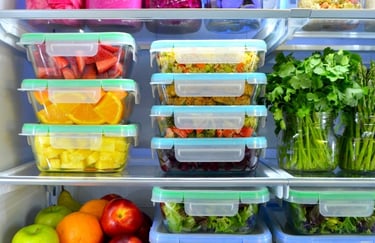
Reduce Food Waste to Save Land & Lives. Wasting food wastes lives; especially when it’s meat, dairy, or eggs. Roughly 25% of household food is thrown away, indirectly causing animals to die for nothing and land to be cleared for no reason. By meal planning, freezing leftovers, and sharing surplus food, you can cut your food waste in half. Doing so for just your waste can save ~700 m² of farmland and spare up to 40 animals a year; mostly chickens, fish, and shellfish. It’s also a big climate win and saves money. Simple changes like labelling leftovers or cooking “fridge cleanout” meals make a real difference without sacrificing convenience.
Impact Score: 8 (don't make them die for your bin)
Keep pet cats indoors or put a bell on their collar. Free-roaming cats are a major human-linked driver of wildlife mortality. In the U.S., outdoor domestic cats kill an estimated ~2.4 billion birds and ~12.3 billion small mammals each year. Keeping a cat safely indoors can prevent roughly ~75 wildlife deaths per year — over 1,000 mice, voles, and birds spared across a typical cat’s lifetime (try to picture that). If you do allow roaming, use a bell or, better, a brightly coloured breakaway collar or “Birdsbesafe” collar cover: studies find bells cut bird kills ~41% and mammal kills ~34%, and colourful covers cut bird catches ~78–87%. Note, it is not yet recommended to switch your cat to a vegetarian diet; research on this is still limited.
Impact Score: 7 (one pet, hundreds dead otherwise)


Plant Trees: Triple Win for Land, Lives, and Climate. Planting trees is a low-effort action with high return. Each 10–20 trees planted or funded can restore 20–60 m² of habitat, absorb ~150 kg of CO₂ per year, and support hundreds of wild lives—birds, mammals, and insects. Even a small garden can fit native trees or shrubs. Reforesting part of your footprint is one of the most tangible ways to reduce land use, store carbon, and bring back biodiversity. If you can’t plant yourself, use trusted platforms like Ecologi; for each item of merch you buy from us, we fund Ecologi to plant a tree. Our merch also sparks conversations that help others reduce their deathprint!
Impact Score: 7 (today’s work, tomorrow’s habitat)


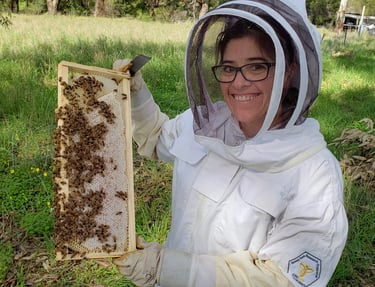
Call a Beekeeper to Remove Honeybee Swarms Instead of Exterminating. If a swarm of honeybees settles on your property or a beehive is in a troublesome spot, don’t reach for insecticide—contact a beekeeper. Most will collect swarms for free, saving the colony. A typical hive holds ~50,000 bees and can pollinate up to 300 million flowers daily. Bees are collapsing globally: the UK has lost 13 species, and US beekeepers lost 55% of colonies in one year. One in every three bites of food depends on pollinators. Rescue means tens of thousands of lives saved instantly—and supports billions more downstream. Extermination fuels a crisis with severe food security and ecosystem costs. Rescue is effortless. The payoff is massive.
Impact Score: 6 (50,000 lives saved by one email)
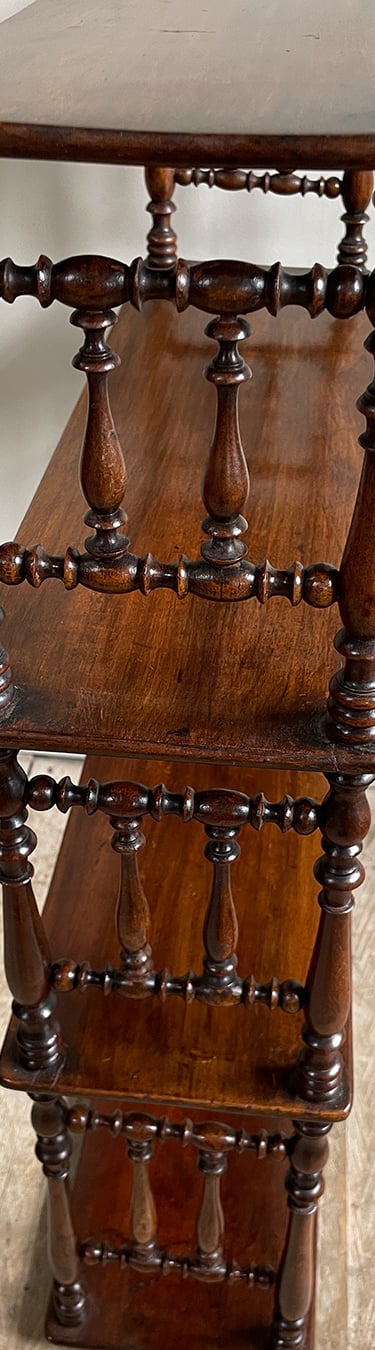
Buy Second-Hand Furniture and Spare Forests. Buying high-quality second-hand or antique furniture reduces the demand for logging and forest-clearing for new timber. A solid wood dresser from a thrift shop or online marketplace often costs the same—or less—than a chipboard flat-pack equivalent, but without the carbon or habitat loss. Avoiding just one large new piece (like a table or wardrobe) can save 10–50 m² of forest and the lives of hundreds of birds, insects, and small mammals. Reclaimed and vintage items are often better made, longer lasting, and keep forest ecosystems intact. Plus, you give beautiful materials a second life instead of funding fresh extraction.
Impact Score: 4 (your furniture was once a forest)

Rewild Paved Space into a Mini Sanctuary. Before paving a new patio, driveway extension, or shed base, consider leaving that patch unpaved—or better yet, turn it into a mini wildlife haven. Just 10–50 m² of wild space with native plants, water dishes, and logs can support hundreds or thousands of insects annually, which in turn feed birds, bats, and frogs. Instead of heat-trapping concrete, you get buzzing life and beauty. This simple choice reclaims land for nature, reduces runoff, and creates refuge in a fragmented world. It’s cheaper than paving and far richer in value; for you and the many lives that rely on such spaces.
Impact Score: 5 (nothing survives concrete)
Feed Your Dog Plant-Based (If Vet-Approved). Your dog doesn’t need to eat meat to remain healthy. The research has been done, any arguments against this are baseless. There are various nutritionally complete and reasonably priced vegetarian kibbles that dogs love. To sustain a typical dog on a poultry-based kibble diet, 2,600 m² of otherwise wild landscape needs to be turned into and maintained as farmland. Vegetarian kibble typically needs half this. Over a 12-year life, conventional feeding is linked to ~236 slaughtered farm animals (mostly chickens). Regarding incidental deaths, by switching to vegetarian kibble you would be sparing ~5 small mammal and bird deaths and a conservative ~700,000 insects/invertebrates (earthworms, nematodes, etc.) deaths from tillage and pesticides.
Impact Score: 8 (the difficulty here is unlearning what you were taught)


HIGH EFFORT
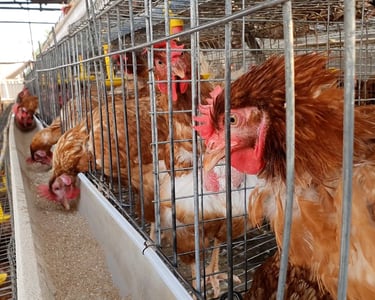
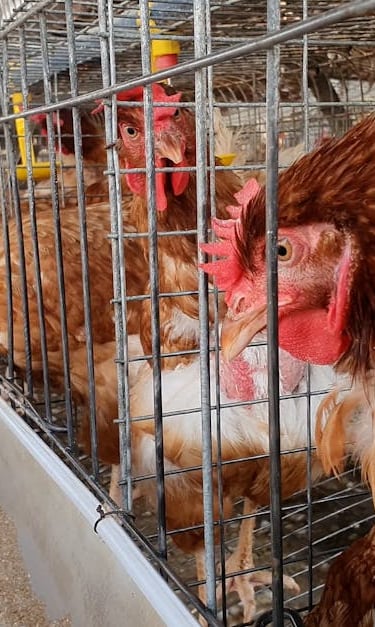
Stop Eating Chicken. If for whatever reason you choose to continuing eating corpses, if you can cut back on any of the killing, make it chickens. Often overlooked because they are small, chickens are the most frequently killed land animals for food, typically ~1,950 lives sacrificed to serve a typical omnivore over their lifetime. Stopping your habit for consuming chicken corpses, by switching to plant-based nuggets or choosing vegetables most days, has a huge impact. It spares ~22 birds annually that would have been bred and killed for you. If you're worried that you'd just replace chicken corpses with different corpses and that this exercise is pointless, research has shown that though there is some truth to this, people consistently reduce overall killing in a meaningful way.
Impact Score: 6 (born, caged, deformed, slaughtered - industrially)
Choose Organic or Low-Pesticide Produce. Conventional farming kills hundreds of billions of insects annually through pesticide use, impacting not just pests but bees, butterflies, beetles, and the birds and mammals that rely on them. Switching to organic or low-pesticide produce protects soil life and preserves ecosystems. This has been designated as "high effort" because organic produce tends to come with a tangibly higher price-tag. Even if only half your fruit and veg were organic, you could spare tens of thousands of insects per year, based on pesticide toxicity data. You’ll also help protect insectivorous birds, amphibians, and small mammals by avoiding chemicals that break food webs. One small shopping shift ripples out into a vast field of lives saved, often invisibly.
Impact Score: 7 (poisoned fields, silent skies)
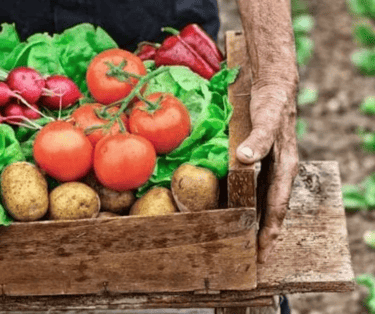
Adopt a Fully Vegetarian Diet. Switching to a vegetarian diet (no meat or fish) is one of the most impactful life choices you can make. It spares nearly all the animals you would otherwise eat. For the average Westerner, that’s ~250 animals per year—mostly fish, shellfish, and chickens. Over an 80-year life, that's ~20,000 animals spared. But that’s just the visible impact. A vegetarian diet also frees ~3,300 m² of farmland annually, land that would otherwise be used to grow feed or graze animals. Over a lifetime, that land-sparing corresponds (conservatively) to ~70 fewer small-mammal deaths, ~10 fewer bird deaths, ~12 million fewer insect deaths, ~100 million fewer invertebrate/nematode/microfauna deaths from ploughing and pesticide use. Do this, and drop the udder-juice, and you’ll be in the top 5% least harmful humans alive today.
Impact Score: 10 (do you really want to argue against Einstein?)